

Public sector organisations are under increasing pressure to deliver complex transformation programmes while maintaining strict governance, transparency, and accountability. From local authorities to central government departments, the Project Management Office (PMO) plays a critical role in ensuring public money is spent effectively and strategic initiatives deliver measurable outcomes.
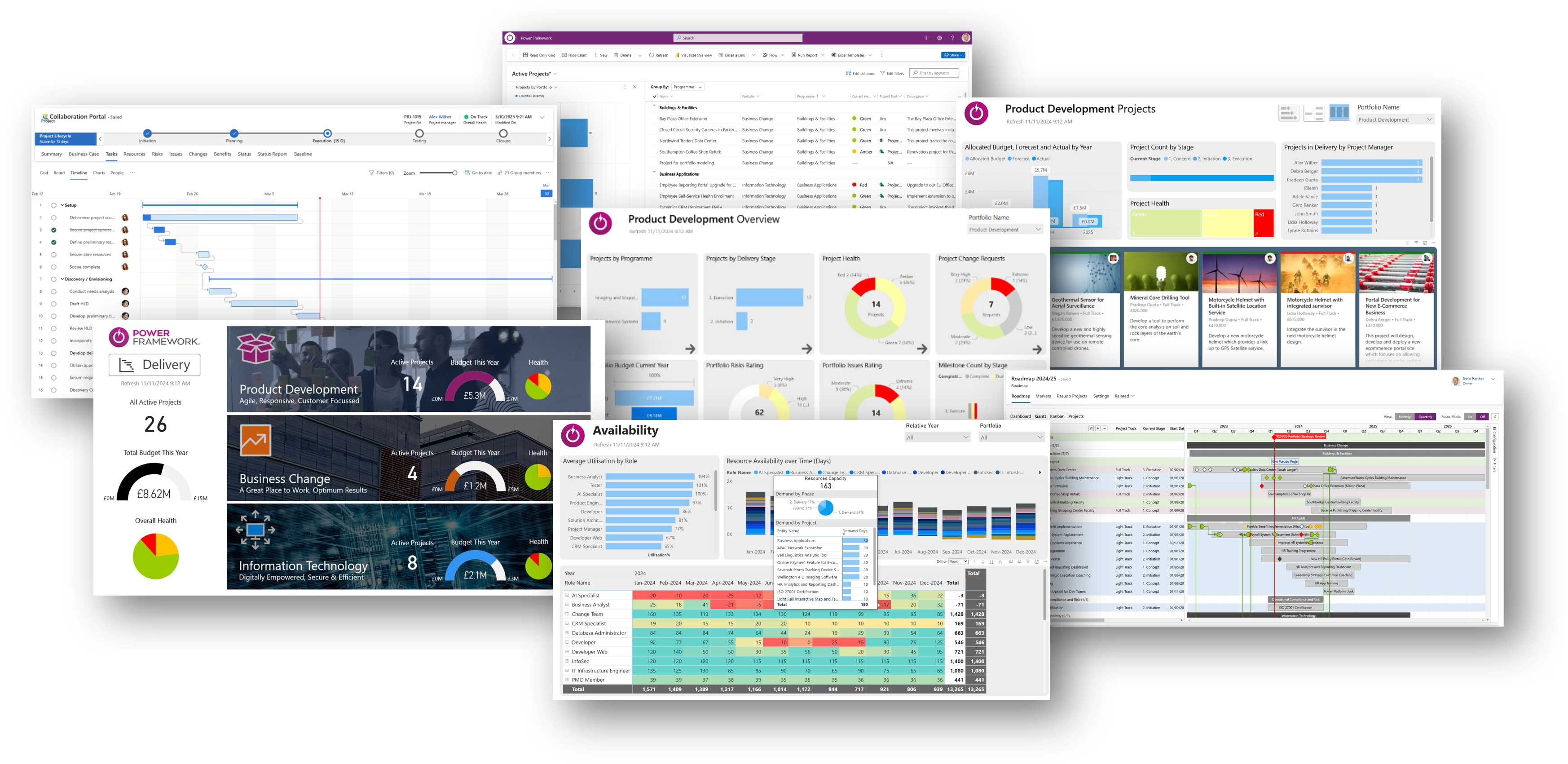
As expectations continue to rise, many public sector organisations are rethinking the technology that underpins their PMO. A growing number are choosing to place their PMO software in the Microsoft Cloud. Below are five key reasons why this shift is accelerating across the public sector.
Aligning with the Existing Microsoft Estate
Meeting Stringent Security and Compliance Requirements
Enabling Data-Driven Decision Making with AI
Supporting Organisational Change and Programme Scale
Reducing Cost and Complexity
Conclusion: A Strategic Platform for the Modern Public Sector
Aligning with the Existing Microsoft Estate
Most public sector organisations already rely heavily on Microsoft technologies such as Microsoft 365, Teams, and Power BI. By placing PMO software within the same ecosystem, organisations can create a more connected digital workplace. This means:
- Seamless collaboration through Microsoft Teams
- Integrated reporting via Power BI
- Automated workflows using Power Platform
- Single sign-on using existing identity management
For public sector teams working across departments and agencies, this level of integration reduces friction and encourages adoption. Rather than introducing another standalone system, the PMO becomes part of the everyday tools employees already use.
Meeting Stringent Security and Compliance Requirements
Public sector PMOs manage highly sensitive information — from budget allocations and business cases to risk registers and strategic priorities. Hosting PMO software in the Microsoft Cloud provides access to:
- Enterprise-grade cybersecurity
- Robust identity and access controls
- Data loss prevention capabilities
- Backup and disaster recovery
- Compliance certifications and regional data residency
These capabilities are particularly important for government organisations that must comply with strict regulatory frameworks and data protection requirements. Microsoft’s significant investment in cloud security and resilience provides a level of assurance that is difficult to replicate with standalone or 3rd party SaaS solutions.
Enabling Data-Driven Decision Making with AI
Public sector organisations are increasingly expected to demonstrate outcomes, not just activity. This requires better insight into portfolios, risks, and performance. Modern PMOs are turning to AI and automation to support:
- Status reporting
- RAID management
- Portfolio analytics
- Decision support
Placing PMO software in the Microsoft Cloud makes it easier to adopt AI technologies such as Microsoft Copilot and Azure AI services. These tools can interact with project data, documents, and collaboration platforms to provide more intelligent insights.
For the public sector, this creates an opportunity to move from reactive reporting to proactive, evidence-based decision making — a key requirement in delivering accountable and transparent governance.
Supporting Organisational Change and Programme Scale
Public sector organisations are constantly evolving — whether through policy changes, funding cycles, or large-scale transformation programmes. A cloud-based PMO platform provides the flexibility to respond to this change. Within the Microsoft Cloud, organisations can:
- Rapidly onboard new teams or departments
- Support hybrid and remote working models
- Expand reporting and analytics capabilities
- Integrate with other government systems
- Allow access for external parties, such as partner organisations and arm’s length bodies
This flexibility is essential for public sector PMOs managing complex portfolios that span multiple agencies or regions. It ensures the PMO can adapt and scale.
Reducing Cost and Complexity
Public sector organisations must demonstrate value for money, making cost efficiency a key driver of technology decisions. By aligning PMO software with the existing Microsoft ecosystem, organisations can reduce:
- Infrastructure and hosting costs
- Integration complexity
- Vendor management overhead
- Support and maintenance effort
This consolidation simplifies the technology landscape while improving governance and control. It also supports wider public sector strategies aimed at reducing duplication and maximising the value of existing investments.
Conclusion: A Strategic Platform for the Modern Public Sector
PMO Public sector organisations need a platform that brings together collaboration, governance, analytics and AI, automation, and security in one scalable environment. That need is a major reason why the Microsoft Cloud has been adopted so widely across the public sector. For the NHS in particular, the barrier to cloud adoption has been reduced through the NHS Shared Tenant, providing the common Microsoft cloud environment that many NHS organisations now work within.
By bringing PMO software into the Microsoft ecosystem they already own, public sector organisations can build a more connected, intelligent, and future-ready PMO — one that is capable of delivering complex programmes with greater confidence, insight, and control.
Learn more from the team at Power Framework at DigiGov Expo - the UK's leading public sector tech event 23rd & 24th September.


Gero Renker, Co-Founder, Power Framework