
Cecilia French and Lucy Linton-Briggs, Chief Executive and Chief Operating Officer of the Parole Board for England and Wales, used their session at Modernising Criminal Justice 2026 to explain what the Board actually does - and how it has tried to open itself up to victims without compromising fair decision-making.
Cecilia began by dispelling common misunderstandings: the Parole Board is not the probation service, does not re-sentence anyone, and prisoners cannot apply for parole - they're referred for a parole review by the Secretary of State. The Board is genuinely independent of government, which Cecilia said is essential, since political influence over release decisions simply isn't compatible with its function. Despite a relatively small secretariat of around 230 staff, supported by nearly 400 part-time members including psychiatrists and psychologists, the Board makes around 34,000 decisions a year, running almost 9,000 oral hearings and releasing only around a quarter of the cases referred to it.
Cecilia traced the Board's transparency journey back to the case of John Worboys, the black cab rapist whose 2017 release decision was challenged by his victims through a crowdfunded judicial review. The High Court found the original decision unlawful and criticised the Board's inability, at the time, to explain its reasoning publicly or involve victims meaningfully in the process. That case led directly to the current reconsideration mechanism - a faster, free route for challenging decisions - and prompted the resignation of the Board's then chair. Since then, the Board has introduced published decision summaries, live-streamed public hearings from prisons, and, since April last year, a scheme letting victims apply to observe private hearings in full rather than simply reading a statement and leaving. Around 270 victim-observed hearings have been held so far, and Cecilia said feedback suggests direct observation helps victims understand the robustness of risk assessments, even when the process remains deeply difficult for them.
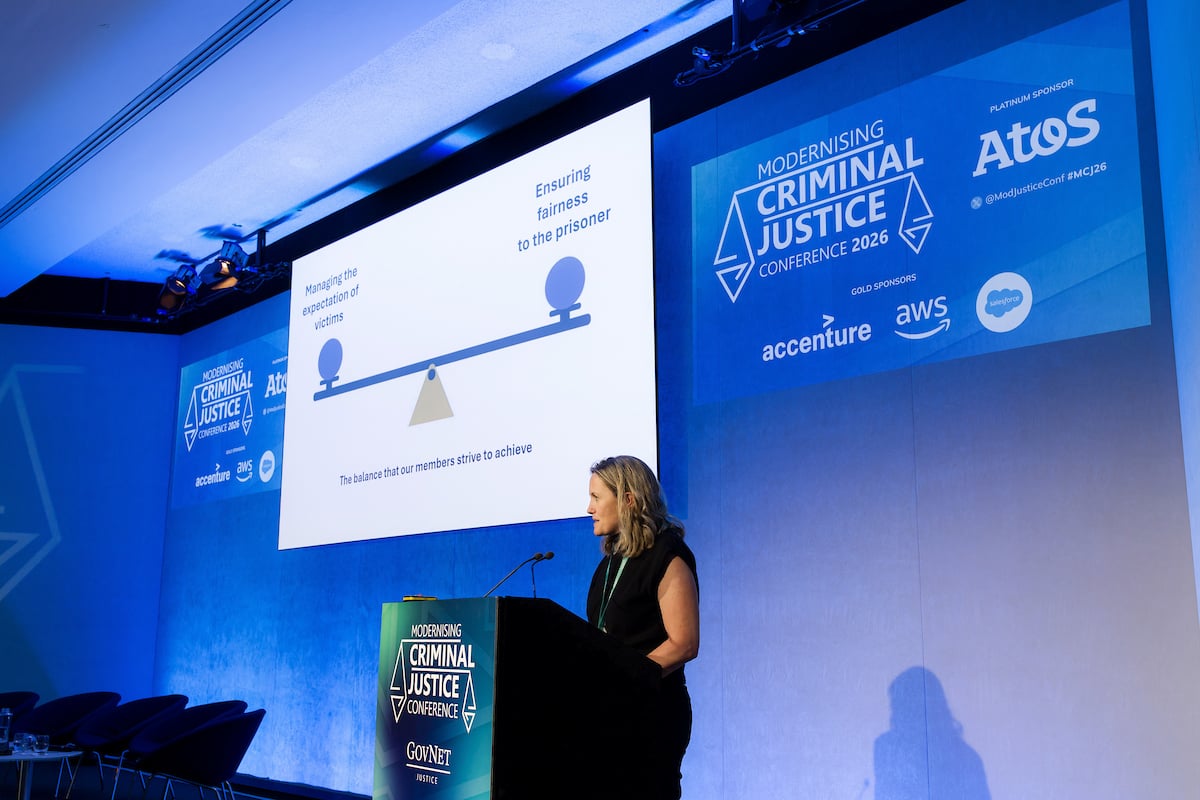
Lucy then addressed how the Board maintains fairness alongside this openness. Decisions are governed by the codified public protection test under the Victims and Prisoners Act - requiring no more than minimal risk of further serious harm before release can be directed - supported by Parole Board rules, a decision-making framework, and significant ongoing member training. Legal challenge mechanisms sit alongside reconsideration, including judicial review and a newer referral mechanism allowing the Secretary of State to direct review of top-tier cases. Lucy pointed to landmark cases like Pearce, which shaped how the Board weighs unproven allegations, and Osborne, which established fairness principles for oral hearings, as key influences on current practice.
Lucy was candid about the human tension members navigate in every hearing: creating conditions where a prisoner can give honest evidence about risk and change, while remaining acutely aware a victim may be listening just out of camera shot. She described the fear of re-traumatising victims - particularly when panel members can't see how someone is reacting in real time - as one of the hardest aspects of the role. Because victims aren't formally a party to proceedings, the Board relies heavily on HMPPS for direct victim support, and both organisations recognise that experience isn't always consistent. Lucy said the Board's 380 members have to balance openness with the emotional reality of decisions that are often deeply unwelcome to victims, however fairly reached.

Jessica Kimbell, GovNet