
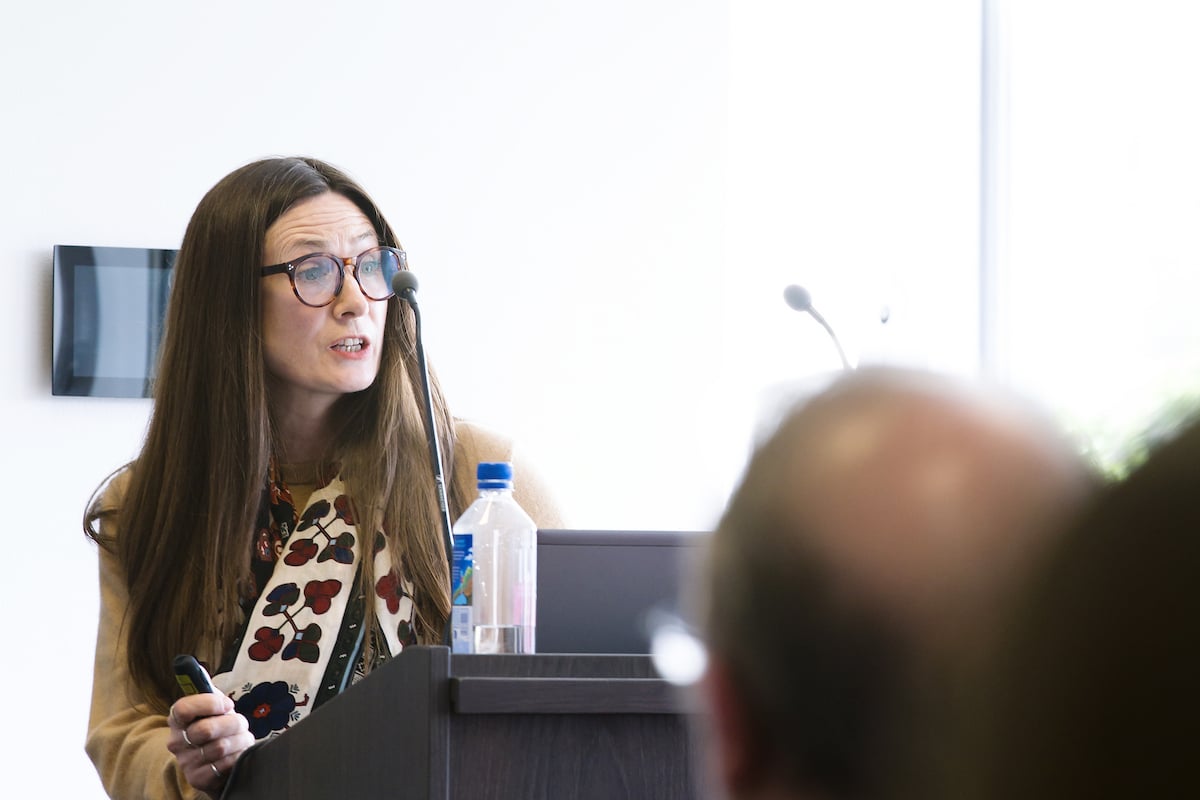
Faith Geary, Chief Operating Officer of HM Inspectorate of Probation, used her session at the Modernising Criminal Justice 2026 conference to set out just how much strain probation is under - and how her organisation is changing its approach to inspection in response.
Faith described the scale of the Inspectorate's remit: 108 probation delivery units across 12 regions, 105 approved premises, and 157 youth justice services in England and Wales, with national thematic inspections on issues like recall and electronic monitoring, often run jointly with Ofsted or the police and prisons inspectorates. She joined the Inspectorate last year after more than 25 years across justice, including senior roles at the Parole Board, and said probation now faces some of the toughest challenges she has seen in her career.
The numbers back this up. Around 249,000 people are managed in the community by probation at any one time - nearly three times the prison population - while the service operates with only about 75% of the staff it needs. Serious further offences remain rare, at under 0.5% of cases, but the number of alleged serious further offences has risen every year for five years, and recall to custody has more than doubled in a decade. Since 2023, every probation delivery unit inspected has been rated either "Requires improvement" or "Inadequate", and in nearly two-thirds of cases the work to keep people safe was found insufficient. Faith was clear this reflects an overstretched system, not a lack of effort - high caseloads, inexperienced staff and poor information-sharing between agencies including police, social services and courts are the underlying drivers.
In response, the Inspectorate has changed how it works. It paused its core probation inspection programme for six months in order to deliver a new "dynamic" programme focused specifically on public protection, ahead of reforms driven by the new Sentencing Act. Crucially, this programme does not produce an overall rating - instead it goes deeper into why problems occur and works with regional leaders on follow-up, rather than simply cataloguing failure.
Key Takeaways
The Inspectorate is moving from a "mirror" model - documenting problems - to a "lever" model, aiming to work with services on solutions in real time. Expect inspection to feel less like a compliance exercise and more like ongoing engagement, with regional teams asked to demonstrate deliberate, sustained improvement rather than one-off fixes.

Jessica Kimbell, GovNet